
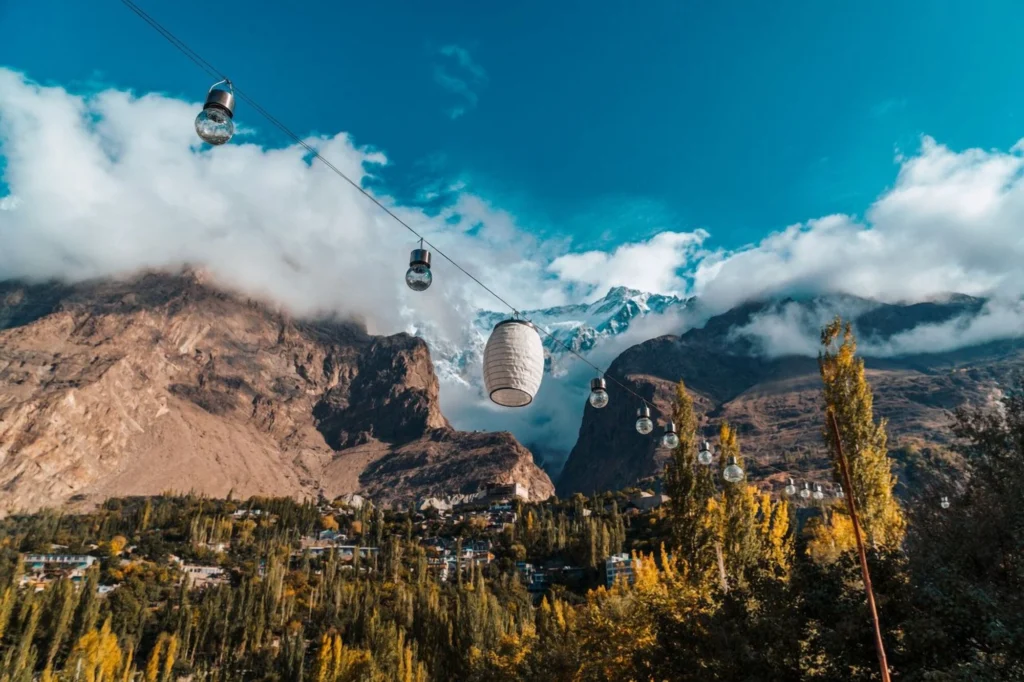
Planning a winter trip to Northern Pakistan? Snow-covered mountains, quieter valleys and crisp skies can make Hunza, Skardu and Chitral memorable destinations. But winter travel differs from a summer road trip: snowfall, ice, shorter daylight hours and temporary closures can change plans quickly. This guide explains which destinations to consider, how to assess road access, what to pack and where to check official information before departure.
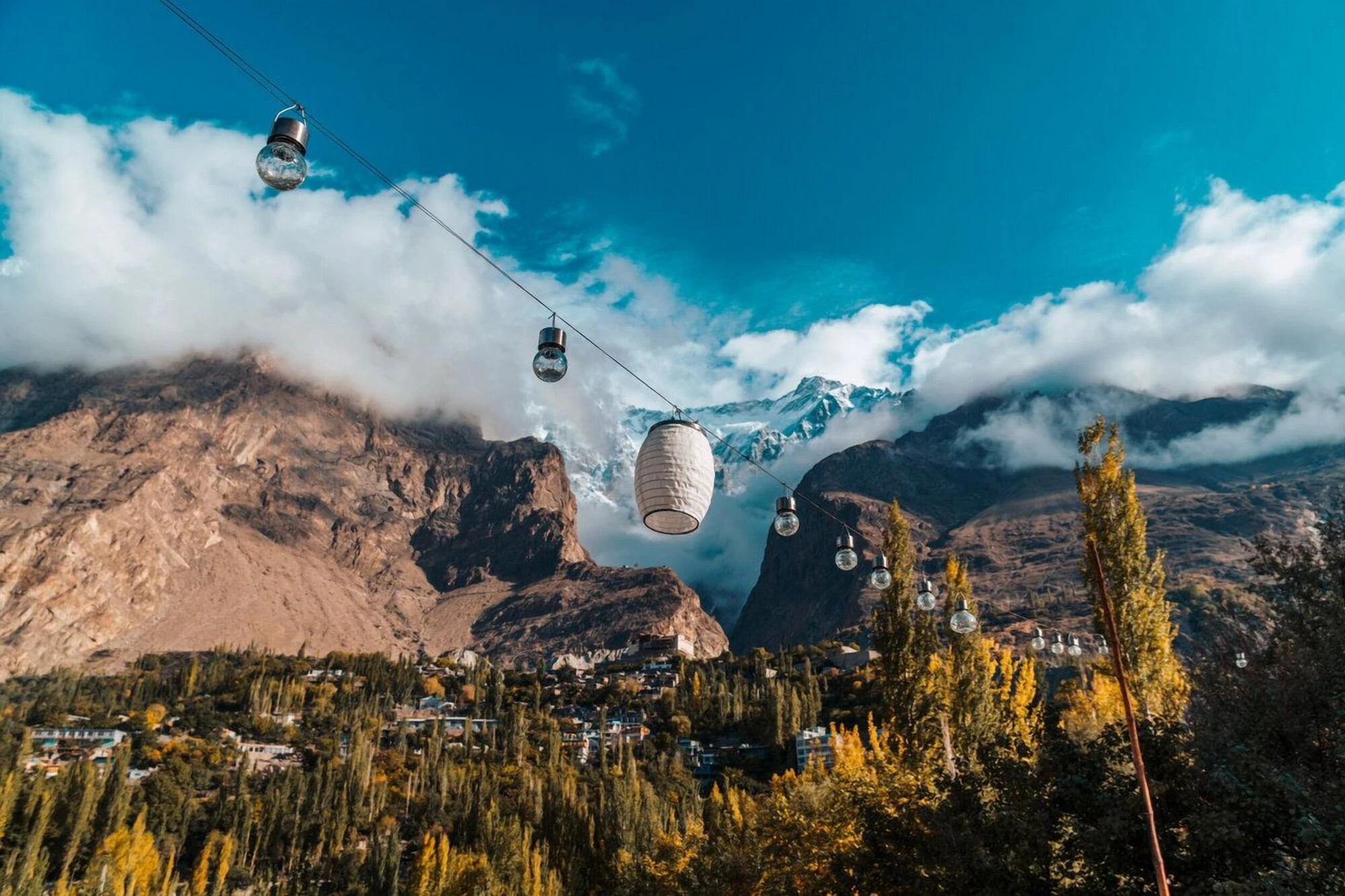
Northern Pakistan Winter Tours at a Glance
Best starting point: Choose a destination based on the latest road and weather reports, the experience you want and how much flexibility you have. Hunza and Gilgit can suit travellers who want established towns and mountain scenery; Skardu offers dramatic landscapes but transport can be disrupted; Chitral needs route-specific planning; high passes and remote alpine areas should not be assumed accessible in winter.
| Destination | Winter experience | Planning caution | Best suited to |
|---|---|---|---|
| Hunza Valley | Mountain views, historic forts, village culture and valley stays | Confirm Karakoram Highway conditions and side-valley access | First-time visitors who want a town-based itinerary |
| Gilgit | A practical regional base, markets and access toward nearby valleys | Weather can affect onward roads and flights | Travellers who prefer a flexible base |
| Skardu | Cold-desert scenery, mountain views and winter atmosphere | Road disruptions and flight changes are possible | Travellers with schedule flexibility |
| Chitral and lower nearby valleys | Local culture, mountain landscapes and quieter settlements | Check Lowari Tunnel conditions and district advisories | Visitors who plan route details in advance |
| Astore | Rama Valley landscapes and a quieter mountain setting | Snow may block roads, especially toward Astore | Flexible travellers after route confirmation |
| Naran, Kaghan and Babusar route | Snow scenery when safe access is available | Do not assume Babusar Top is open in winter | Travellers who confirm seasonal access |
Important: This is a seasonal planning guide, not a live road-status bulletin. It cannot guarantee that any road, attraction, hotel or flight is operating on a particular date. Before departure, confirm the latest information with the Pakistan Meteorological Department (PMD), National Highway Authority (NHA), relevant district administration and official Gilgit-Baltistan tourism channels.
Why Visit Northern Pakistan in Winter?
Winter changes the rhythm of travel in the north. Valleys can become quieter outside peak holiday periods, and snow may transform familiar mountain views. The experience is not always a postcard-perfect snow holiday: some days are clear and cold, while others bring cloud, wind, fresh snow or travel disruption. Build extra time into the itinerary, choose accommodation with reliable heating, and accept that a viewpoint or side trip might need to be skipped. Do not plan around one pass, lake or mountain road without a backup.
1. Hunza Valley: Mountain Views and Heritage in Winter
Hunza is a strong option for travellers who want mountain scenery alongside villages, food, heritage and a base with services. Karimabad and surrounding settlements offer views toward the Karakoram range, while Baltit Fort and Altit Fort add cultural context. Winter conditions differ across the valley, so a clear morning in one location does not guarantee that every side road or higher settlement is accessible.
What to do in Hunza
- Explore Karimabad and allow time for local shops and viewpoints.
- Visit Baltit Fort or Altit Fort after checking opening arrangements and access.
- Take a photography walk in daylight and avoid icy paths.
- Try local food and ask your accommodation host about safe nearby excursions.
- Keep a spare day for weather delays rather than adding too many long drives.
For wider planning, read our Best Time to Visit Hunza Valley: Month-by-Month Guide and Autumn and Winter Transitions in Hunza and Skardu. If considering a late-autumn departure, review our Hunza October road-status and weather planning guide; treat dated conditions as specific to the period described, not as a promise about future access.
2. Skardu: Dramatic Landscapes and a Flexible Schedule
Skardu is known for its broad mountain basin, rocky terrain, cold-desert scenery and access to celebrated landscapes around Baltistan. The town may be a useful base, but access to individual lakes, valleys and high-altitude sites depends on location, current conditions and local services.
How to plan Skardu responsibly
- Decide whether flying or travelling overland suits your time, budget and risk tolerance.
- If flying, allow for schedule changes and avoid plans that depend on an exact arrival time.
- Ask local authorities or a reliable local operator which attractions are currently accessible.
- Do not assume a summer excursion to a lake, plateau or remote valley can be repeated in winter.
- Keep your first and final day light enough to accommodate delays.
Our Skardu Travel Guide covers major attractions and general planning considerations. Pair it with the Northern Pakistan Travel Guide: Places, Costs and Itineraries before deciding how many days to allow.
3. Gilgit: A Practical Base for a Northern Trip
Gilgit can help travellers break a long journey into manageable stages or form a regional base before continuing elsewhere. It is a working town with shops, transport connections and everyday local life. Use it to rest, check conditions and adjust onward plans rather than treating it only as a photo stop. Before leaving Gilgit, confirm that the next road is open to ordinary traffic, ask whether snow or ice affects the route and establish a fallback. A map showing a road does not prove it is currently passable.
4. Chitral: Local Culture and Route-Specific Planning
Chitral and nearby valleys offer mountain scenery and distinctive local traditions, but winter access depends on the exact destination and route. The Lowari Tunnel is important for access to the region, yet travellers should still check for closures, traffic controls, weather disruption and restrictions on onward roads. Higher or remote areas may face conditions very different from Chitral town. Do not build a winter trip around a remote valley or high pass until local authorities confirm access.
5. Astore: Beautiful, but Not a Destination to Improvise
Astore district includes Rama Valley and landscapes that attract visitors in more accessible seasons. The official Gilgit-Baltistan tourism department notes that summer roads are generally easier to use, while winter snowfall may block roads, particularly on the approach from Chilas toward Astore. Confirm route access with local administration and accommodation before setting out. Ask whether vehicles can reach your planned stay and what happens if snow prevents arrival. Official planning information: Gilgit-Baltistan Tourism Department — Astore district guide.
6. Naran, Kaghan and Babusar Top: Know the Seasonal Limits
Naran and Kaghan are popular in warmer months, while winter weather can make parts of the upper route difficult or inaccessible. Babusar Top is a high mountain pass and should not be treated as a dependable winter shortcut. Snowfall, avalanche risk, road damage or official closures can change access. Do not assume you can drive through Babusar Top between Kaghan and the northern highway network. Verify route status through official channels and choose a destination that remains practical if the pass is closed.
Northern Pakistan Winter Road Conditions: What to Expect
There is no single winter road status for all of Northern Pakistan. A main highway may be open while a side road is blocked; one district may have clear skies while another receives snow or rain. Road agencies may clear routes, control traffic or temporarily close sections when conditions become unsafe. Check again shortly before departure because yesterday’s update may no longer describe today’s conditions.
Common winter road risks
| Risk | What it means | Safer response |
|---|---|---|
| Snowfall and snow accumulation | Slower traffic, poor visibility or temporary closure | Delay departure until authorities confirm the route is safe |
| Black ice and compacted snow | Tyres can lose grip, especially in shade and early morning | Reduce speed, increase following distance and avoid unnecessary travel |
| Landslides and rockfall | Road sections may be blocked or unstable after precipitation | Follow warnings; never stop beneath unstable slopes |
| Avalanches and high-pass closures | Remote routes may become inaccessible with little notice | Use confirmed open routes and keep an alternative itinerary |
| Short daylight hours | Less time to recover from delays and harder night driving | Avoid night travel in unfamiliar terrain |
| Flight disruption | Weather may affect mountain-airport arrivals or departures | Allow buffer days and avoid tight onward connections |
| Limited fuel, food or mobile signal | Services can be sparse on remote stretches | Refuel in major towns, carry essentials and share your route plan |
Official sources to check before departure
- Pakistan Meteorological Department (PMD): daily forecasts, weekly outlooks and tourist forecasts.
- Gilgit-Baltistan Tourism Department travel advisory: regional safety guidance.
- Gilgit-Baltistan tourism weather page: district-level information where available.
- Press Information Department, Government of Pakistan: government notices and NHA-related announcements.
- Relevant district administration, traffic police and road authorities for your specific route.
Government advisories have warned travellers to check current road clearance and weather, avoid unnecessary travel during poor conditions, and avoid stopping near landslide-prone areas, streams and riverbanks. These are general safety principles, not a substitute for a current route-specific update. Read the official Gilgit-Baltistan advisory.
How to Plan a Winter Tour Without Unnecessary Risk
Choose the destination before choosing the route
Start with the experience you want: a comfortable valley stay, cultural sightseeing, photography or a more adventurous trip. Then check whether the destination and access roads suit your dates. Do not choose a route simply because it looks shorter on a map.
Keep the itinerary flexible
Use fewer overnight bases and leave room for delays. In winter, an extra night in a safe town can be wiser than pushing forward in worsening weather.
Confirm what the package actually includes
Before paying for a tour, request written details for transport, accommodation, meals, sightseeing, local transfers, cancellation terms and weather-related changes. Clarify what the operator will do if an authority closes a road. Read our guide on how to choose a reliable travel and tours operator in Pakistan.
Winter Packing List for Northern Pakistan
Pack for cold, wind and changing conditions rather than assuming every day will be snowy. Layers are more adaptable than one very heavy jacket, and keeping clothing dry is essential for comfort.
| Item | Why it matters |
|---|---|
| Thermal base layers | Help retain warmth without excessive bulk |
| Insulating mid-layer and windproof outer jacket | Adapt to temperature, wind and activity |
| Water-resistant, grippy footwear | Useful on wet or icy paths, though no footwear guarantees safe traction on ice |
| Warm socks, gloves, hat and neck covering | Improve comfort in exposed conditions |
| Personal medication and basic first-aid supplies | Remote areas may have limited pharmacy or clinic access |
| Power bank, charging cables and offline maps | Connectivity and charging may be limited during delays |
| Water and snacks | Useful during unexpected stops or longer journeys |
| Identification, booking records and emergency contacts | Keep essentials accessible if plans change |
| Cash in small denominations | Some remote services may not accept cards |
| Vehicle winter essentials | Ask a qualified local mechanic about suitable tyres, chains and equipment for your route |
Confirm your accommodation has dependable heating and ask whether hot water, power backup and road-side pickup are available. Families with children, older adults or travellers with mobility needs should be especially cautious about long, cold delays and remote accommodation.
Winter Tour Budget: What to Include
Winter costs vary by departure city, destination, group size, vehicle type, hotel heating, meal plan and whether you travel by road or air. Request a current quotation for your actual dates and compare like with like.
| Budget category | Questions to ask |
|---|---|
| Transport | Private or shared vehicle? Are fuel, tolls, driver expenses and winter equipment included? |
| Accommodation | Which hotel and room category? Is heating included? |
| Meals | Which meals are included, and where will you stop during long drives? |
| Local sightseeing | Are local jeeps, guides, entry fees and transfers included? |
| Weather buffer | Can you afford an additional night if a road or flight is delayed? |
| Cancellation or rescheduling | What happens if an official closure makes the itinerary unsafe or impossible? |
Ask for a total in Pakistani rupees (PKR), with the number of travellers and inclusions stated in writing. Do not compare a low advertised price with a more complete package without checking what each quote covers. Start with our Northern Pakistan Travel Guide, then contact Pak Peaks Travels & Tours to discuss a suitable itinerary.
Suggested Winter Itineraries: Planning Frameworks
These are sample structures, not confirmation that every stop is open. Finalise them only after confirming roads, weather, accommodation and local access for your dates.
| Trip length | Possible structure | Key condition |
|---|---|---|
| 3–4 days | Choose one confirmed-access base and explore nearby sites conservatively | Do not depend on a high pass |
| 5–6 days | Spend several nights in one destination with a buffer day and short local excursions | Verify transfers; avoid tight connections |
| 7–9 days | Combine two areas only if the connecting route is confirmed | Keep the schedule flexible and identify an alternative overnight stop |
Compare destinations with our Northern Pakistan Travel Guide, Hunza season guide and Skardu travel guide. One well-planned base is often more practical in winter than combining destinations just to fill a longer itinerary.
Responsible Winter Travel
Winter landscapes can be fragile and local communities face the same weather challenges as visitors. Respect local instructions, use established paths, take litter back with you and do not block narrow roads while taking photographs. Avoid walking on frozen lakes, rivers or ponds unless local authorities have explicitly confirmed the activity is safe and supervised. Ice can be thin or unstable even when it looks solid.
Do not drive around a barrier, ignore a closure or follow an unverified social-media post into an isolated area. Ask before photographing people, homes or private property. If conditions deteriorate, turn back early and choose safety over reaching a viewpoint.
Frequently Asked Questions
Is Northern Pakistan open for tourists in winter?
Some towns and main routes may remain accessible, while high passes, remote valleys and side roads can close or become difficult during snowfall. There is no single answer for every destination. Check route-specific official updates close to departure.
Which is better for a winter trip, Hunza or Skardu?
It depends on current access and your priorities. Hunza can suit travellers looking for village stays and heritage alongside mountain views. Skardu offers distinctive landscapes but may require more flexibility around road or flight disruptions. Compare actual conditions for your dates.
Can I travel to Naran or cross Babusar Top in winter?
Do not assume Babusar Top is open in winter. High-altitude routes can close because of snow or hazardous conditions. Confirm with relevant authorities and do not set out unless the route is officially open and considered safe.
Where should I check the weather before travelling?
Use the Pakistan Meteorological Department for forecasts and the Gilgit-Baltistan Tourism Department for regional guidance. Check again before departure and ask district administration or traffic police about your route.
How many days should I plan for a winter tour?
Choose the duration based on the confirmed route, destination and need for buffer time. Winter trips are more reliable with fewer transfers and some flexibility for delays. Avoid tight flight or onward-transport connections.
What should I ask a tour operator before booking?
Ask for written inclusions, accommodation and heating details, transport type, route alternatives, cancellation and rescheduling terms, emergency procedures and how official closures are handled. Our guide How to Choose a Reliable Travel and Tours Operator in Pakistan provides a checklist.
Plan Your Northern Pakistan Winter Tour with Pak Peaks
A successful winter tour is not simply about finding snow. It is about choosing a destination that matches your dates, checking the route, staying warm, allowing time for delays and having a backup plan. If you are considering Hunza, Skardu or another northern destination, review the relevant guides and confirm current operating conditions before making non-refundable arrangements.
Visit Pak Peaks Travels & Tours to discuss a trip plan. Share your preferred destination, departure city, dates, number of people, accommodation preference and budget in PKR so the itinerary can be assessed against current conditions. A responsible plan may involve adjusting dates, choosing a lower-risk base or postponing travel if authorities advise against it.
Explore More Pak Peaks Travel Guides
- Northern Pakistan Travel Guide: Places, Costs and Itineraries
- Best Time to Visit Hunza Valley: Month-by-Month Guide
- Navigating Autumn and Winter Transitions in Hunza and Skardu
- Can I Visit Hunza in October? Road Status and Weather Planning
- Skardu Travel Guide: Best Places to Visit and Planning Tips
- Fairy Meadows Complete Guide: Jeep Track, Trek, Cost and Best Time
- How to Choose a Reliable Travel and Tours Operator in Pakistan
References and Official Travel Resources
Use primary sources for information that can change quickly. Check these pages again before travelling because an advisory may be superseded by a later update.
- Pakistan Meteorological Department (PMD), forecasts and weekly outlooks: weather.gov.pk.
- Government of Gilgit-Baltistan Tourism Department, travel advisory: Official travel advisory for tourists and travellers.
- Gilgit-Baltistan Tourism Department, Astore guide and seasonal road note: District Astore tourist destinations.
- Gilgit-Baltistan Tourism Department, weather page: Regional weather information.
- Press Information Department, Government of Pakistan, NHA winter operations notice issued 22 January 2026: NHA directed to keep roads open during snowfall. This is historical context, not a live road-clearance notice.
Editorial note: This is a general guide, not an emergency service, live road report or guarantee of access. Conditions, costs, opening times, flights and transport arrangements may change. Verify important details with the relevant authority and service provider before travelling.