
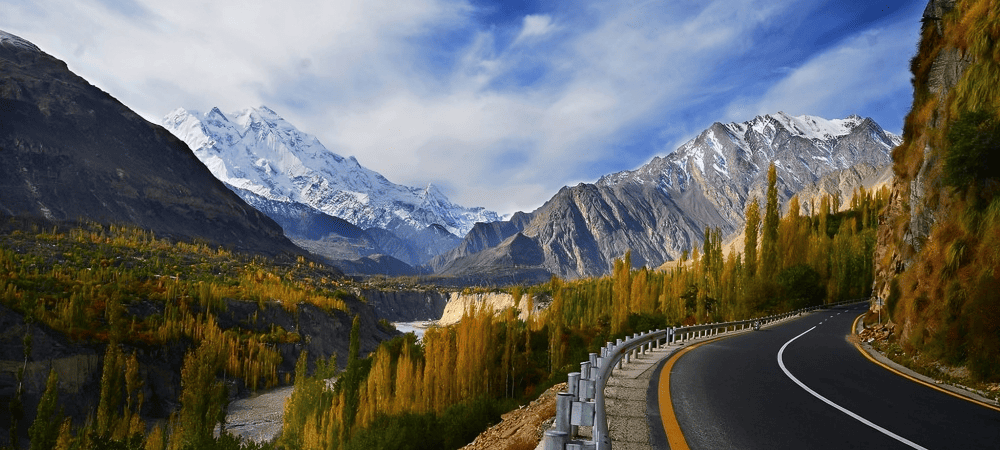
Skardu is one of northern Pakistan’s most striking destinations, known for dramatic mountain scenery, clear lakes, broad valleys, and access to some of the world’s most famous trekking routes. Whether you want quiet time beside a lake, a road trip through the mountains, or a base for outdoor adventures, Skardu offers plenty to explore.
Why visit Skardu?
Located in Gilgit-Baltistan, Skardu combines high-mountain landscapes with the culture and everyday life of the region. The journey itself can be a highlight, with changing scenery, rugged peaks, and valleys opening up along the way. Conditions vary by season, so a little planning helps you make the most of your time.
Best places to visit in and around Skardu
1. Shangrila Resort and Lower Kachura Lake
Lower Kachura Lake is famous for its turquoise water and mountain backdrop. Spend time enjoying the views, taking photographs, and walking around the lakeside. Visit early in the day when possible to experience a calmer atmosphere.
2. Upper Kachura Lake
Upper Kachura Lake offers a more natural setting surrounded by steep slopes and trees. Depending on local conditions, visitors can enjoy lakeside walks or arrange activities with local operators. Wear suitable footwear and follow local safety advice near the water.
3. Sarfaranga Cold Desert
The Sarfaranga Cold Desert near Skardu is a striking landscape of pale sand and mountains. Its unusual scenery makes it a memorable stop for photography. Wind and temperatures can change quickly, so carry a warm layer even when the day begins pleasantly.
4. Katpana Cold Desert
Katpana is another distinctive cold-desert landscape close to Skardu. Visit with enough daylight to appreciate the changing colors of the sand and surrounding mountains. Avoid driving off marked tracks unless your local guide confirms that it is safe and permitted.
5. Satpara Lake
Satpara Lake is a beautiful highland lake near Skardu and an appealing stop for scenic views. The light can change quickly around the mountains, so allow time for photographs and take care around shorelines and roads.
6. Manthal Buddha Rock
Manthal Buddha Rock is an important historical site featuring Buddhist-era carvings. It offers a different perspective on the region’s history beyond its natural scenery. Treat the carvings with respect, avoid touching or marking the rock, and follow any posted guidance.
7. Shigar Valley and Shigar Fort
A trip toward Shigar adds traditional architecture, village landscapes, and cultural history to a Skardu itinerary. Shigar Fort is a well-known heritage stop. Check visiting arrangements ahead of time and leave room in your schedule to explore the valley without rushing.
When is the best time to visit Skardu?
The most comfortable travel window depends on what you want to do and on road and weather conditions. Summer is a popular period for sightseeing and many high-altitude excursions, while spring and autumn can bring quieter travel and changing landscape colors. Winter can be very cold, and snow or ice may affect access to some places. Always check current forecasts, road updates, and local advice before departure rather than relying on a fixed seasonal promise.
How many days should you plan?
For a first visit focused on Skardu town and nearby highlights, consider allowing around three to five days. Add more time if you want to visit Shigar at a relaxed pace, travel farther into the region, or build in a buffer for weather and transport delays. Remote routes can take longer than they appear on a map.
Getting to Skardu
Travelers commonly reach Skardu by air or by road. Flights depend on weather and operating schedules, so keep flexibility in your itinerary and confirm flight status with your airline. Road journeys can be scenic but long, with conditions that vary by season and location. Check the latest route information, use a suitable vehicle, and avoid night driving on unfamiliar mountain roads whenever possible.
What to pack
- Layers, including a warm jacket, because temperatures can change sharply after sunset.
- Comfortable walking shoes with a good grip.
- Sunscreen, sunglasses, and a hat for strong sunlight at altitude.
- Reusable water bottle, personal medication, and basic first-aid supplies.
- Power bank, offline maps, cash, and copies of important bookings.
- Rain protection and any specialist gear needed for planned outdoor activities.
Practical tips for a smoother trip
- Build in extra time: Weather, road conditions, and transport schedules can change.
- Book key services ahead: During busy travel periods, confirm accommodation and transport before arriving.
- Respect local culture: Dress appropriately for the setting, ask before photographing people, and follow local guidance.
- Travel responsibly: Take rubbish with you, avoid disturbing wildlife, and leave fragile natural areas as you found them.
- Stay alert at altitude: Pace yourself, hydrate, and seek local medical advice if you feel unwell.
- Use local expertise: For remote excursions, choose experienced guides and confirm whether permits or special arrangements are required.
Sample three-day Skardu itinerary
Day 1: Explore Skardu and nearby lakes
Arrive, settle into your accommodation, and keep the first day flexible. Depending on arrival time and conditions, explore Lower Kachura Lake or take a relaxed walk around town.
Day 2: Cold desert and Satpara Lake
Visit Sarfaranga or Katpana Cold Desert and continue toward Satpara Lake if road and weather conditions allow. Keep sunset plans flexible and return before mountain roads become difficult to navigate.
Day 3: Culture and the Shigar Valley
Visit Manthal Buddha Rock and explore Shigar Valley, including Shigar Fort if visiting arrangements permit. If you have a late departure, keep enough time for the return journey and any transport checks.
Make Skardu a trip to remember
Skardu rewards travelers who balance sightseeing with flexibility. Choose a realistic itinerary, prepare for changing mountain weather, respect local communities, and give yourself time to enjoy the scenery rather than rushing from one stop to another. Before you leave, confirm transport, accommodation, road conditions, and access to any remote destinations using current local information.
Travel note: Conditions, opening arrangements, and access can change. Confirm details locally before setting out.