
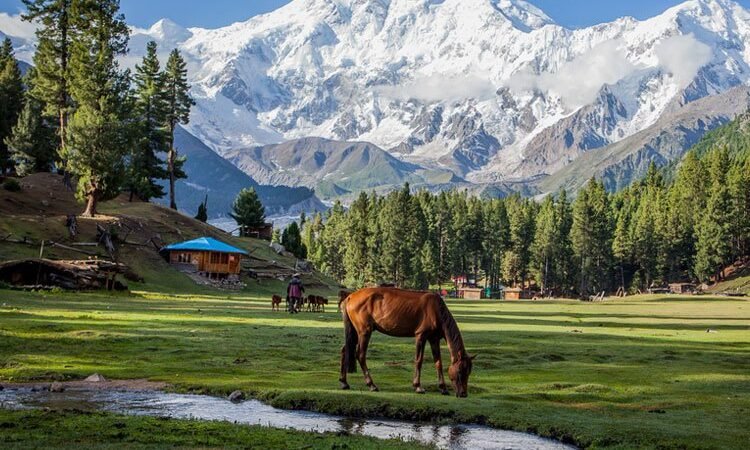
Pakistan is home to some of the highest mountains on Earth, including K2, the world’s second-highest peak. Most of the country’s tallest summits rise in the Karakoram range of Gilgit-Baltistan, while Nanga Parbat stands in the western Himalaya. This guide ranks 10 of the highest mountains in Pakistan, explains where they are, and shares practical context for travellers who want to see these landscapes responsibly.
Quick answer: K2 is Pakistan’s highest mountain at 8,611 metres (28,251 feet). The list below uses commonly cited elevations for the principal summits; published figures can vary slightly by source and survey.
Top 10 Highest Mountains in Pakistan
| Rank | Mountain | Elevation | Mountain range |
|---|---|---|---|
| 1 | K2 (Chogori) | 8,611 m | Karakoram |
| 2 | Nanga Parbat | 8,126 m | Himalaya |
| 3 | Gasherbrum I (Hidden Peak) | 8,080 m | Karakoram |
| 4 | Broad Peak | 8,051 m | Karakoram |
| 5 | Gasherbrum II | 8,035 m | Karakoram |
| 6 | Gasherbrum III | 7,952 m | Karakoram |
| 7 | Gasherbrum IV | 7,925 m | Karakoram |
| 8 | Distaghil Sar | 7,885 m | Karakoram |
| 9 | Kunyang Chhish | 7,852 m | Karakoram |
| 10 | Masherbrum (K1) | 7,821 m | Karakoram |
Note: Lists can differ depending on whether they count subsidiary summits separately and which elevation reference they use. The ranking above follows commonly published lists of Pakistan’s highest principal peaks.
1. K2 — 8,611 metres
K2, also known as Chogori, is the highest mountain in Pakistan and the second-highest mountain in the world after Mount Everest. It rises in the Karakoram on the Pakistan–China border and is famous for its steep terrain, severe weather and technical climbing challenges. Its dramatic pyramid-shaped summit has made it an icon of high-altitude mountaineering.
For most visitors, K2 is not a casual sightseeing stop. Reaching the mountain’s base-camp region involves a demanding trek, glacier travel and careful logistical planning. Travellers usually organise access through Skardu and must account for weather delays, acclimatisation and local regulations.
2. Nanga Parbat — 8,126 metres
Nanga Parbat is the ninth-highest mountain in the world and the tallest peak of Pakistan’s Himalayan range. Its name is commonly translated as “Naked Mountain,” and its enormous Rupal Face is among the most striking mountain walls in the region. The peak is also known by the local name Diamer.
One of the best-known ways for trekkers to experience its setting is the route towards Fairy Meadows and the Nanga Parbat viewpoint. This is a mountain environment, not a guaranteed easy excursion: road access, weather, trail conditions and local transport arrangements can change. Read our Pakistan travel guide before planning a wider trip.
3. Gasherbrum I (Hidden Peak) — 8,080 metres
Gasherbrum I, historically called K5 and widely known as Hidden Peak, is the third-highest mountain on this list. It stands in the Karakoram near the upper Baltoro Glacier region. The name “Hidden Peak” reflects how the mountain can remain concealed from some approaches by surrounding ridges and peaks.
Its remote location, glacier approaches and high-altitude conditions make it a serious expedition objective. Travellers exploring the wider region should use experienced local operators and confirm permits, access and current conditions before departure.
4. Broad Peak — 8,051 metres
Broad Peak sits close to K2 and is named for its long summit ridge. It is part of the spectacular concentration of high peaks around the Baltoro Glacier and Concordia, where several enormous mountains rise within a relatively compact area.
Although its name may sound less intimidating than some neighbouring peaks, climbing Broad Peak remains a demanding high-altitude undertaking. The mountain’s long ridge, exposure and changing weather require extensive mountaineering experience and expedition support.
5. Gasherbrum II — 8,035 metres
Gasherbrum II is another of Pakistan’s five mountains above 8,000 metres. It is part of the Gasherbrum massif in the Karakoram and is often described as one of the more approachable eight-thousanders for experienced expedition climbers. “More approachable” does not mean easy or safe: altitude, cold, crevasses and sudden storms remain major hazards.
6. Gasherbrum III — 7,952 metres
Gasherbrum III rises within the same high mountain group as Gasherbrum I and II. At 7,952 metres, it falls just below the 8,000-metre mark. Its location in a remote glaciated landscape makes it far more relevant to specialised mountaineering expeditions than ordinary sightseeing trips.
7. Gasherbrum IV — 7,925 metres
Gasherbrum IV is recognised for its dramatic ridges and complex climbing terrain. It towers above the Karakoram’s ice fields and is a notable peak for mountaineers studying the region’s technically challenging summits. As with the surrounding mountains, access is remote and conditions can be severe even in the main climbing season.
8. Distaghil Sar — 7,885 metres
Distaghil Sar is the highest peak of the Hispar Muztagh area of the Karakoram, north of the Hispar Glacier. Its long ridgelines and isolated setting make it one of the region’s impressive but less familiar giants. It receives far less general tourist attention than K2 or Nanga Parbat, partly because reaching its surroundings requires significant travel and trekking logistics.
9. Kunyang Chhish — 7,852 metres
Kunyang Chhish is another major summit in the Hispar Muztagh section of the Karakoram. The mountain is known for its remote location, steep faces and complex ridges. It illustrates how Pakistan’s highest mountains extend well beyond the most famous peaks around the Baltoro Glacier.
10. Masherbrum (K1) — 7,821 metres
Masherbrum, also known as K1, is a distinctive peak in the Karakoram’s Masherbrum range. Its dramatic profile and difficult climbing routes have earned it a place among the country’s most notable high mountains. It is a useful reminder that the region’s appeal is not limited to the handful of peaks above 8,000 metres.
Where are Pakistan’s highest mountains?
Most of the mountains in this ranking are in Gilgit-Baltistan, particularly the Karakoram. The main exception is Nanga Parbat, which belongs to the Himalaya. The Karakoram contains immense glaciers, high passes and clusters of very tall summits; the region around Skardu is a common starting point for expeditions heading towards the Baltoro Glacier and K2 area.
If you are planning a visitor-friendly trip rather than a climbing expedition, start with our Skardu travel guide or Hunza Valley guide. These destinations offer mountain scenery and cultural experiences without requiring a high-altitude summit attempt.
Can tourists visit these mountains?
Many of these summits are remote expedition objectives, not places that can be reached by car or visited on a short day trip. Some surrounding valleys and viewpoints are accessible to travellers, while glacier approaches and base-camp treks require preparation, suitable fitness, local guidance and contingency time.
- Choose the right trip: sightseeing, trekking and technical mountaineering have very different equipment and experience requirements.
- Allow schedule flexibility: weather, landslides, road closures and flight disruptions can affect mountain travel.
- Acclimatise gradually: altitude illness can affect travellers even when they are not climbing a summit.
- Use qualified local support: verify operator credentials, itinerary details, emergency arrangements and what the quoted price includes.
- Respect the environment: take waste back with you, follow local guidance and avoid disturbing wildlife or fragile alpine areas.
Frequently asked questions
What is the highest mountain in Pakistan?
K2 is Pakistan’s highest mountain at 8,611 metres (28,251 feet). It is also the world’s second-highest peak after Mount Everest.
How many mountains in Pakistan are over 8,000 metres?
Pakistan has five commonly recognised eight-thousanders: K2, Nanga Parbat, Gasherbrum I, Broad Peak and Gasherbrum II.
Which mountain range contains most of Pakistan’s highest peaks?
The Karakoram contains most of the highest peaks in Pakistan. Nanga Parbat, the country’s second-highest mountain, is part of the Himalaya.
Can beginners climb K2 or Nanga Parbat?
No. These are highly technical, high-altitude mountains that require substantial mountaineering experience, acclimatisation, specialist equipment and professional expedition planning. Beginners should consider guided lower-altitude treks instead.
What is the best time to visit northern Pakistan?
The suitable season depends on the destination, road access and activity. Summer is commonly used for many high-altitude trekking and climbing itineraries, but conditions vary each year. Check current weather, local advice and access arrangements before booking.
Plan your northern Pakistan journey
Pakistan’s highest mountains showcase the scale and variety of the Karakoram and Himalaya. Whether you want to learn about K2, see Nanga Parbat from a viewpoint, or plan a more relaxed trip to Hunza or Skardu, match your itinerary to the season, your experience and the conditions on the ground.
Explore more practical advice on Pak Peaks Blog, or contact Pak Peaks Travels & Tours to discuss a northern Pakistan itinerary.